For your first riding lessons, wear a boot with a small, defined heel and a smooth sole that runs in one piece from heel to toe. A paddock boot does that, and so does a tall riding boot or a plain cowboy boot. Sneakers, rain boots and chunky hiking boots don’t, and that’s the whole list of what to leave at home.
It sounds like a fashion question. It isn’t. Every rule below comes from one fear the safety folks share: a foot that slides through the stirrup or gets wedged in it, and a rider who falls off and can’t come loose.
So here’s what I’d tell anybody standing in the tack shop aisle with their first lesson booked. Why the heel matters, what’s wrong with a good hiking boot, the 3 kinds of boot that work, how to fit tall boots that are supposed to feel too tall, and the stirrup check most beginners never hear about.
One thing up front. HorseRoots is written by a small team, and we aren’t riding instructors. Your instructor or your barn has the final say on what you wear, and plenty of lesson barns have their own rules. Ask before you buy.
Why a Riding Boot Has a Heel
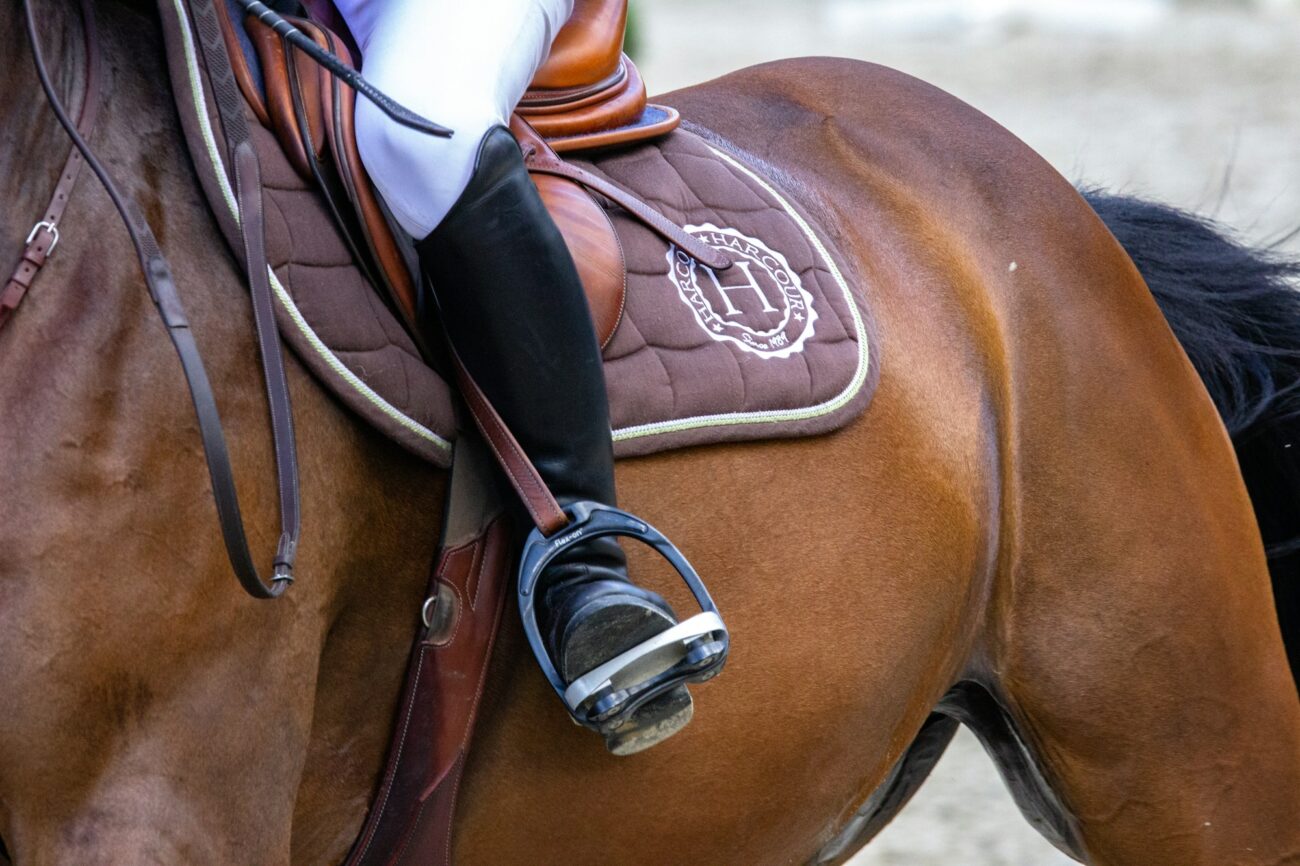
A stirrup is a metal or plastic loop, and a foot with no heel can slide straight through it. The US Forest Service’s Defensive Horse Safety course puts it plainly: wear boots with a substantial heel when riding, to prevent the foot from slipping through the stirrup and getting hung up.
Hung up is the part that keeps instructors up at night. If you come off and your foot stays caught, the horse doesn’t stop to sort it out. It moves, and you go with it.
How much heel? The British Horse Society, which runs riding exams in the UK, asks for a small heel no less than ½ inch high. You don’t need a cowboy’s stacked heel for an English lesson. You need enough of a ledge that the boot stops at the stirrup instead of sliding past it.
The Sole Should Be Smooth, Not Chunky
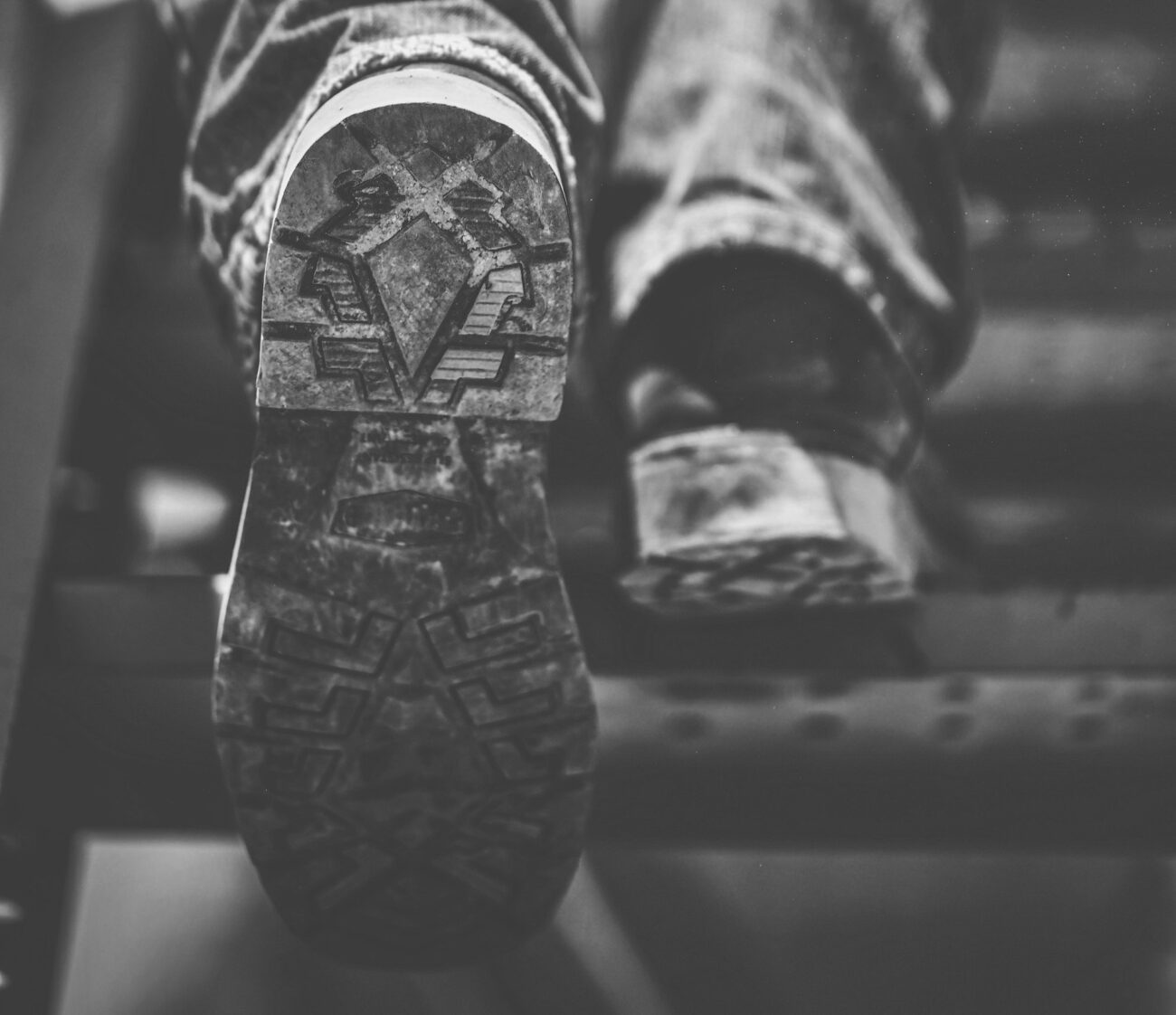
Here’s the one that surprises people. A good hiking boot has a heel, so it seems like it should pass. Turns out the tread is the problem.
The BHS wants a smooth through sole, meaning no break in the sole from heel to toe, so there’s nothing to catch on the stirrup. It also warns about yard boots, the chunky ones people wear to muck out, because a heavy tread can get caught on the stirrup and wedge the foot in. If you do ride in a boot with some tread, it says to check that the pattern is offset, so the tread never runs all the way across the sole.
The Forest Service says the same thing from the Western side. A slick sole is best, and a low-traction sole can work. A deep lug sole that grips a mountain trail is exactly the sole that grips a stirrup when you need it to let go.
Quick test at home: turn the boot over. If you can see deep grooves running side to side, or a gap between the heel and the front of the sole, it’s a walking boot. Keep it for the barn aisle and the pasture.
Sneakers, Rain Boots and Hiking Boots Stay Home
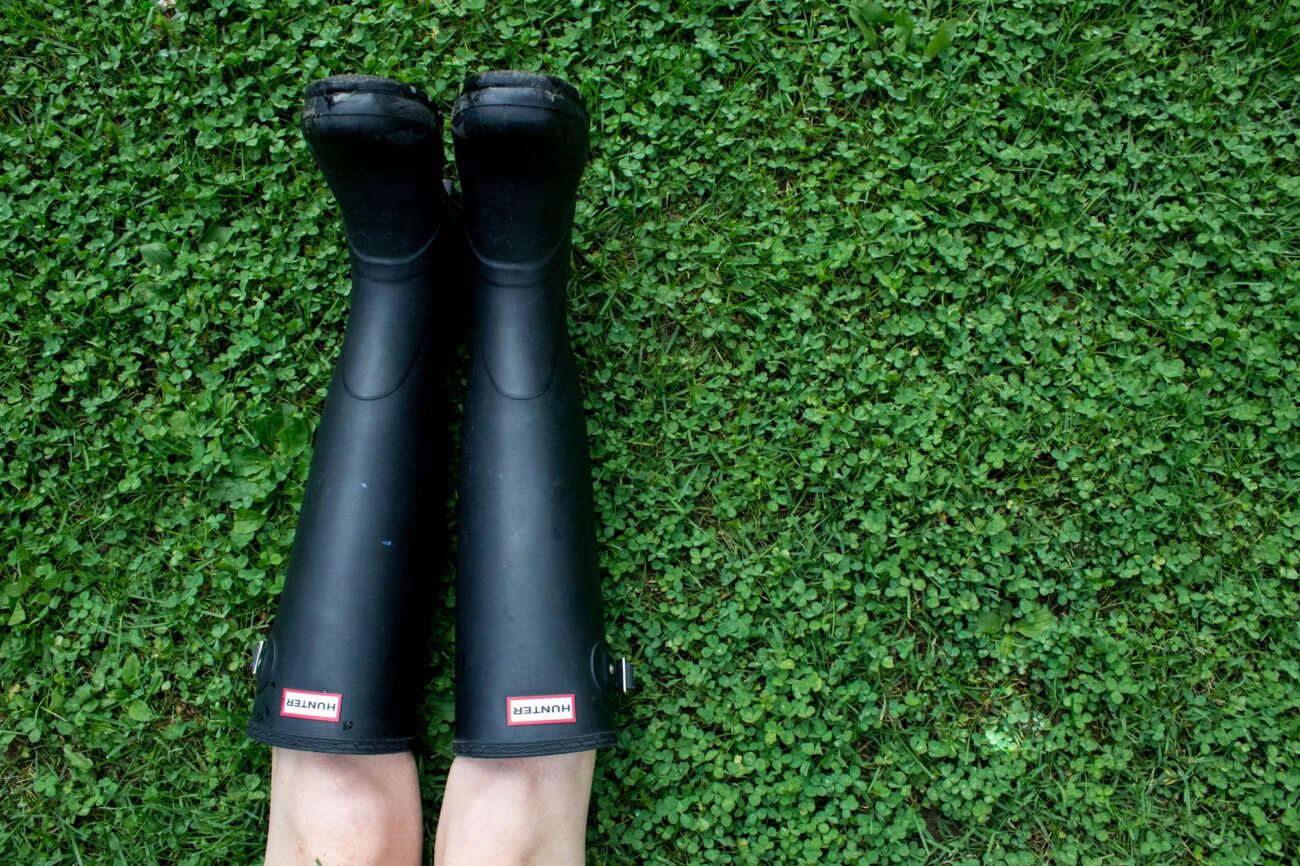
On sneakers, the Forest Service doesn’t leave any wiggle room. Its slide says never wear sneakers or tennis shoes. The BHS calls wellies (rain boots) and trainers (sneakers) unsuitable for riding.
A sneaker fails both tests at once. It has no real heel, and it’s soft and wide enough to slide forward into the stirrup. A rubber rain boot has a heel of sorts, but it’s loose on the leg, and the tread is usually deep. Neither one is worth the risk.
I get why people show up in them. Honestly, nobody wants to spend money on boots before they know they like riding. But a lesson barn would rather you ask than guess, and one phone call usually settles it.
Paddock Boots: Where Most Beginners Start
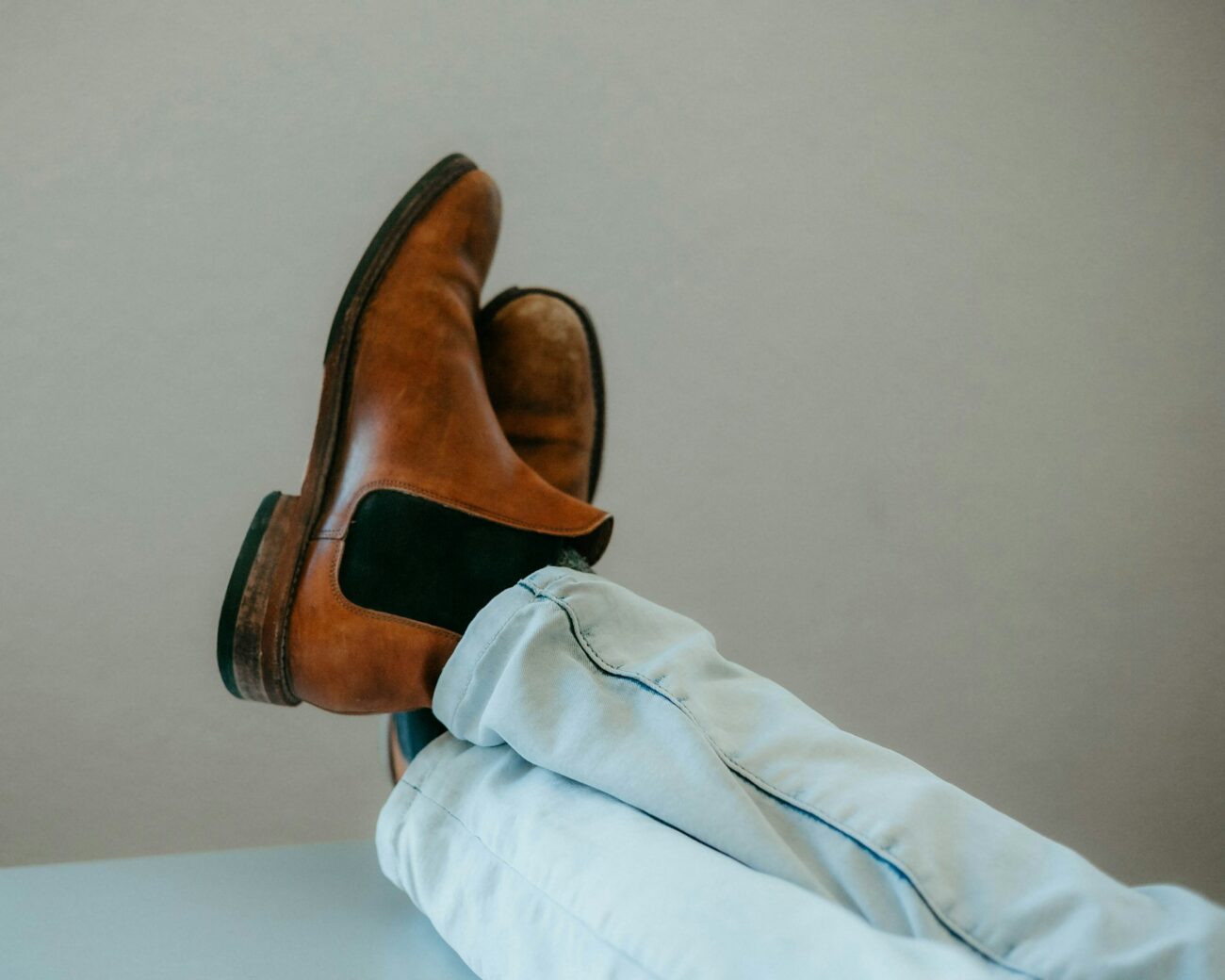
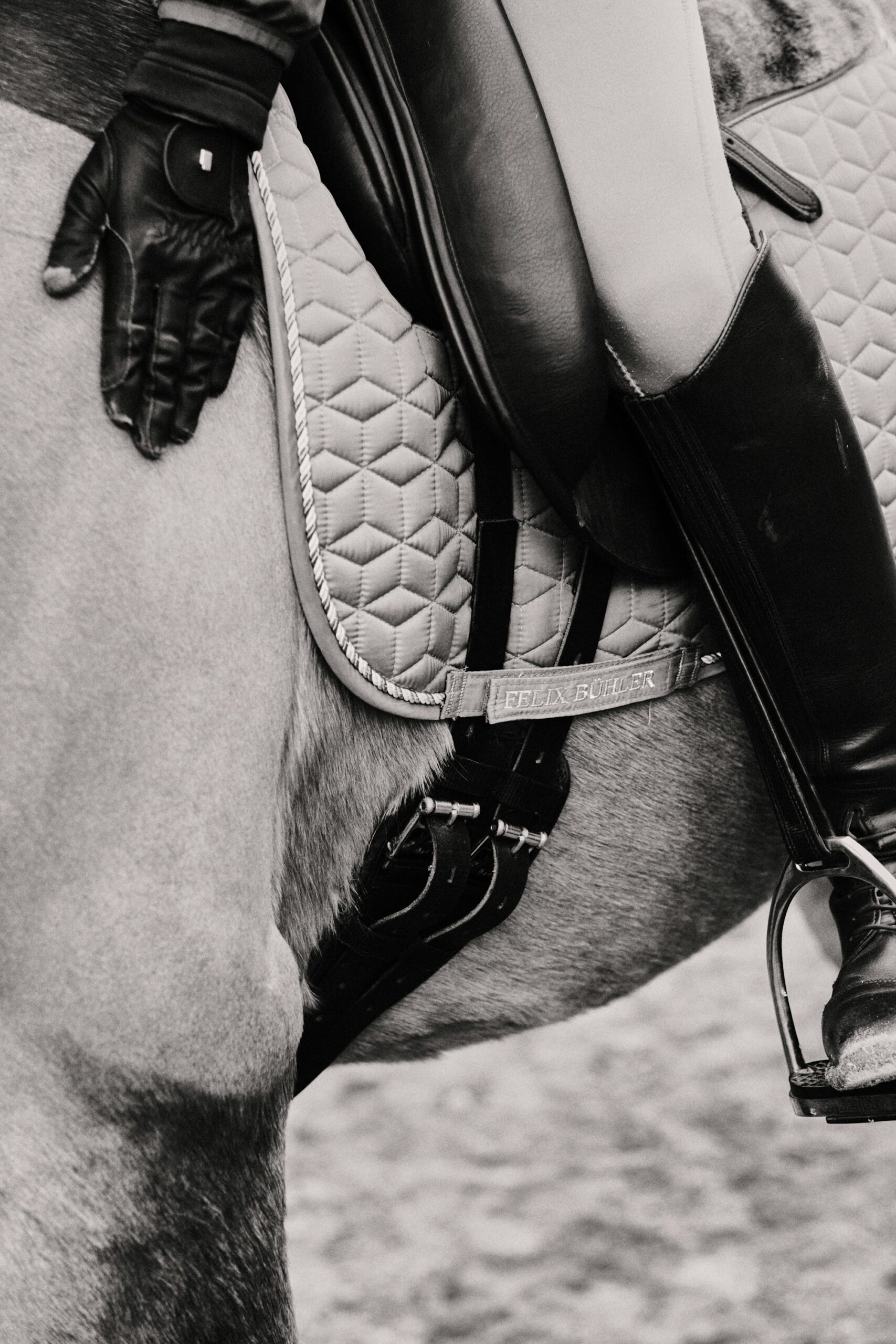
For English riding, the cheapest boot that checks every box is the paddock boot, sometimes called a jodhpur boot. It stops around the ankle, it has a small flat heel and a smooth sole, and it either laces up, zips or pulls on with elastic sides.
It’s also what the Pony Club in the UK lists for its young members: a jodhpur boot or a long riding boot, with a smooth sole and a small heel. If it’s good enough for a whole country’s worth of kids learning to ride, it’s good enough for your first season.
A lot of riders pull half chaps over paddock boots. Those are leather or synthetic gaiters that zip around the calf, so the stirrup leather doesn’t pinch the inside of your leg. They’re nice to have, not a must. Plain jeans or riding tights over the boot will get you through your first few lessons.
One more thing in their favor: you can walk in them. A paddock boot does fine on the barn aisle, in the wash rack and out to the pasture to bring a horse in, which a stiff tall boot does not.
Tall Boots: Buy Them Snug, Because They Drop
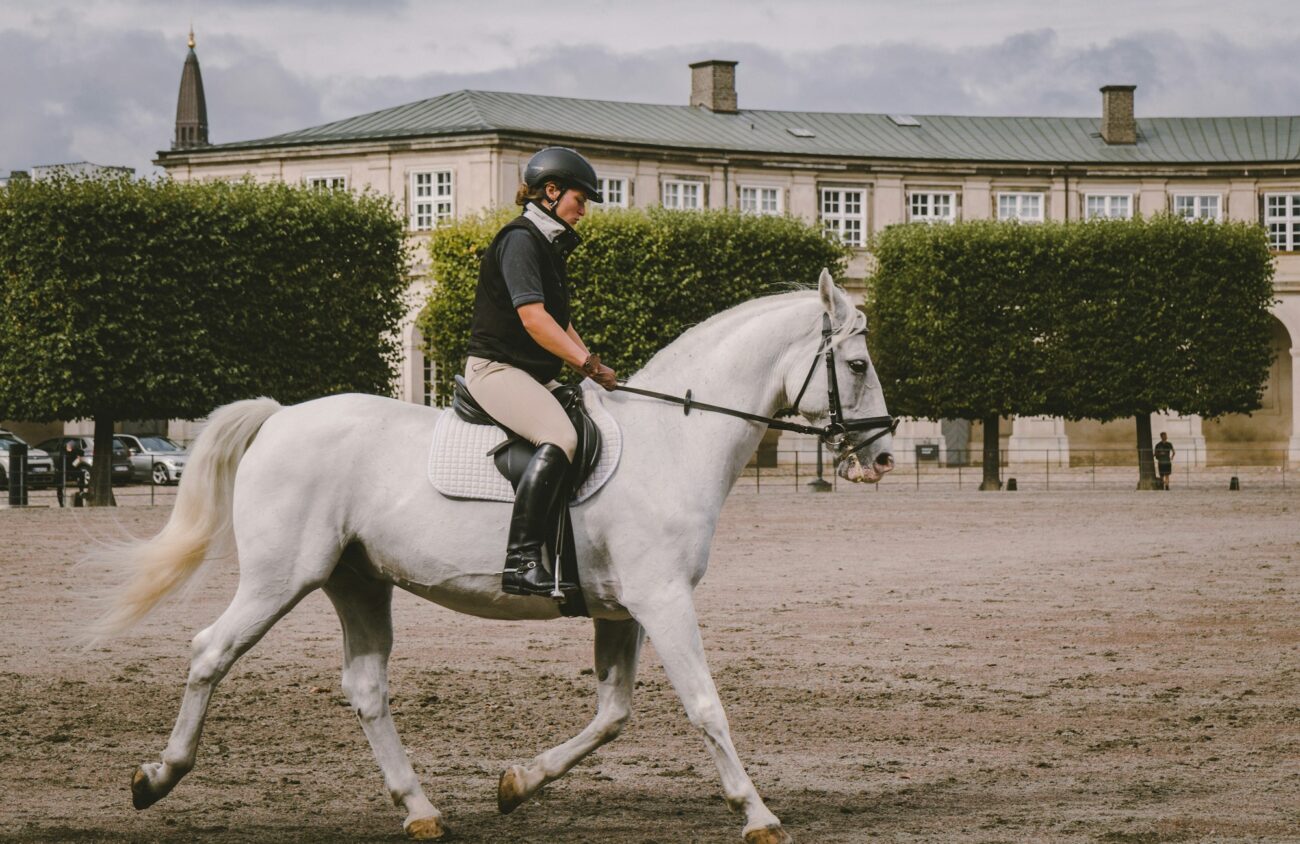
Tall boots run up to just under the knee, and they’re what you’ll see in the show ring. They’re also where beginners lose the most money, because a tall boot that feels just right in the store can end up loose once it settles on your leg.
The reason is the drop. Leather softens and creases at the ankle, and the boot sinks lower on your leg. Ariat’s fitting guide tells you to measure from the back of your heel on the floor to the bend of your knee, then add 1 inch for drop if you’re buying their boots. It also says that if you’re between 2 leg sizes, take the smaller one, because you want the boot as tall and as tight as possible so the leather can soften and drop.
So a good new tall boot is hard to zip the first time, a little uncomfortable, and might look too tall. That’s normal. What isn’t normal is a boot you can twist around your leg once it’s zipped. Ariat says it shouldn’t move.
Measure the widest part of your calf too, sitting down, with a friend holding the tape. And check the brand’s own chart, since the drop isn’t the same in every boot. My take? Don’t buy tall boots for lesson one. Buy them once you know which discipline you’re sticking with.
Cowboy Boots Are Riding Boots Too
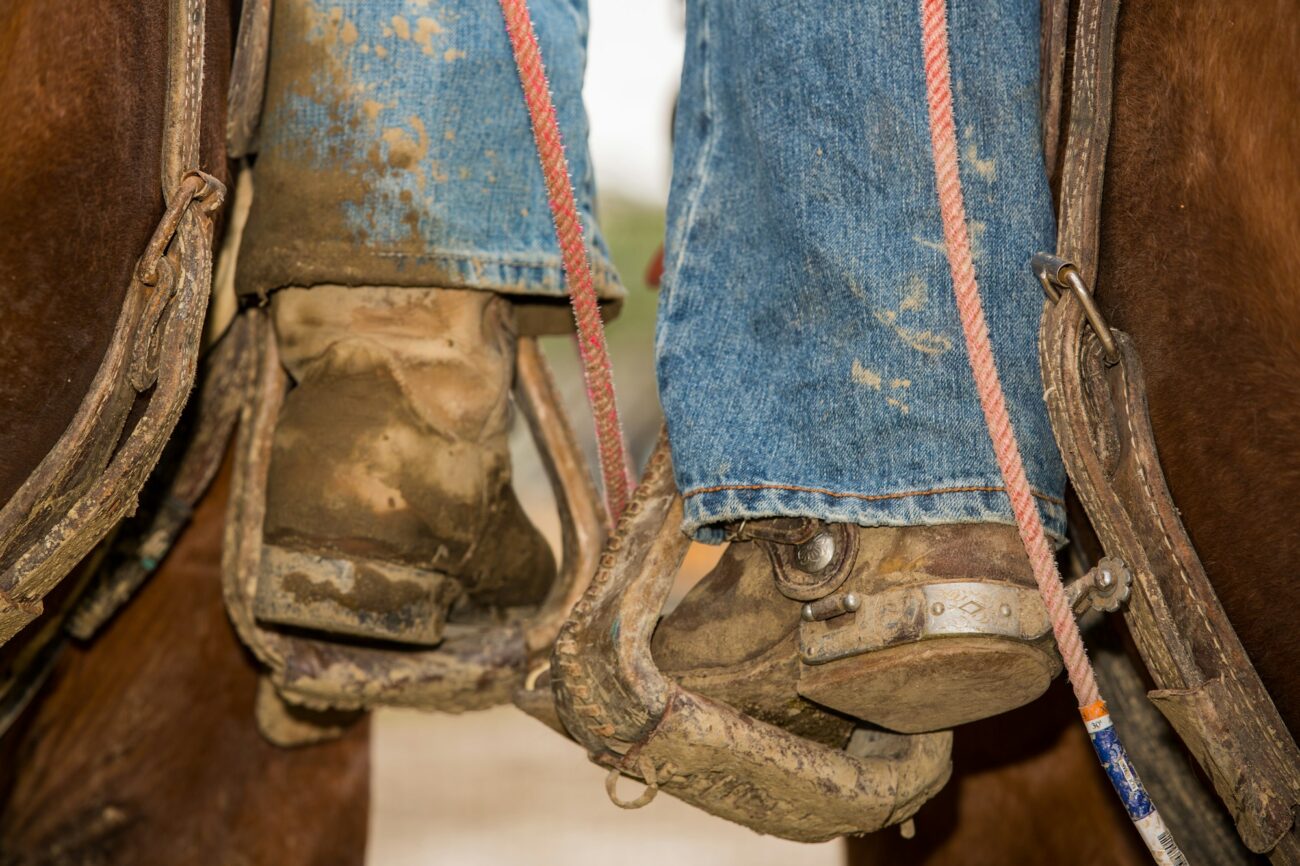
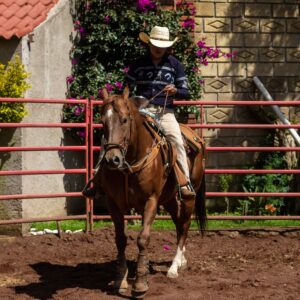
If you’re riding Western, y’all already own the right boot, maybe. The Forest Service calls cowboy boots the best choice for riding, because they were designed for exactly that job. It also says packer boots with a low-traction sole are good.
The catch is the “maybe.” Plenty of boots sold as cowboy boots today have rubber lug soles for walking around town. Flip them over. A smooth leather sole, or a low-traction one, and a real heel? You’re good. A deep work-boot tread? Same problem as the hiking boot.
Our beginner’s guide to mounting a horse Western style walks through getting your foot into that stirrup in the first place. And if you’re still picking a horse to learn on, here’s why Quarter Horses suit a lot of beginners.
Match the Stirrup to the Boot
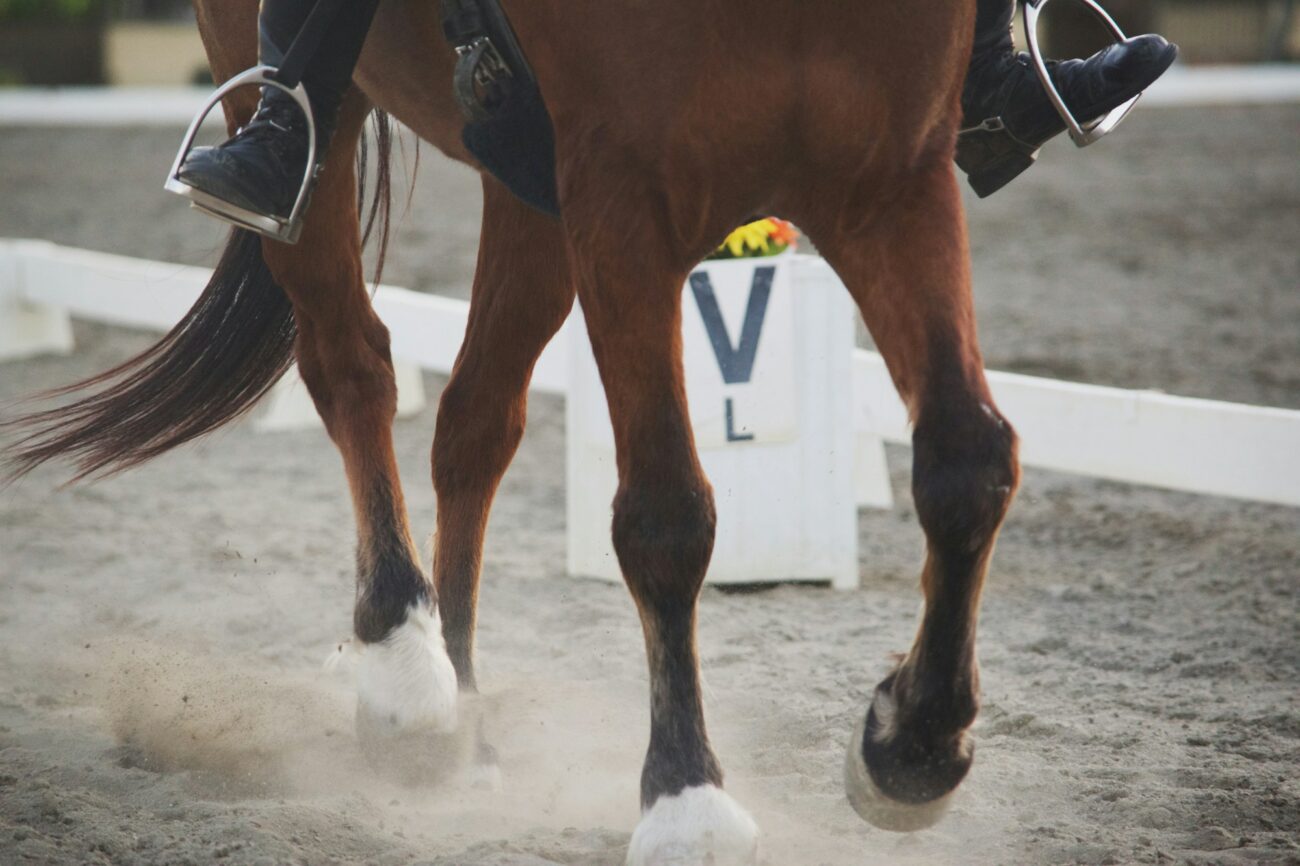
Here’s the check most beginners never hear about. The right boot in the wrong stirrup can still get stuck.
The Pony Club’s stirrup rule asks for 7 mm (about ¼ inch) of room on each side of the boot. Its tack checkers slide the foot across to one side of the stirrup, with the widest part of the foot on the tread, and measure the gap on the other side. It should be 14 mm or more, a little over ½ inch. The BHS asks for the same ½ inch gap, and adds that a bigger boot may need a bigger stirrup.
Too narrow, and a wide boot can wedge. Too wide, and a small boot can slip all the way through. So if you change boots, check the stirrups again. That goes double for a kid who’s outgrown last year’s pair.
Some stirrups are built to let go. The Pony Club strongly recommends a stirrup design that lets the foot come free easily in a fall. Safety stirrups with a rubber band on the outside (peacock stirrups) are one kind, and its tack check guidance limits those to riders who weigh 50 kg (about 110 pounds) or less. Magnetic stirrups that hold the boot on aren’t allowed at Pony Club events at all, because it wants riders to learn to keep their own feet in place.
What I’d Buy First
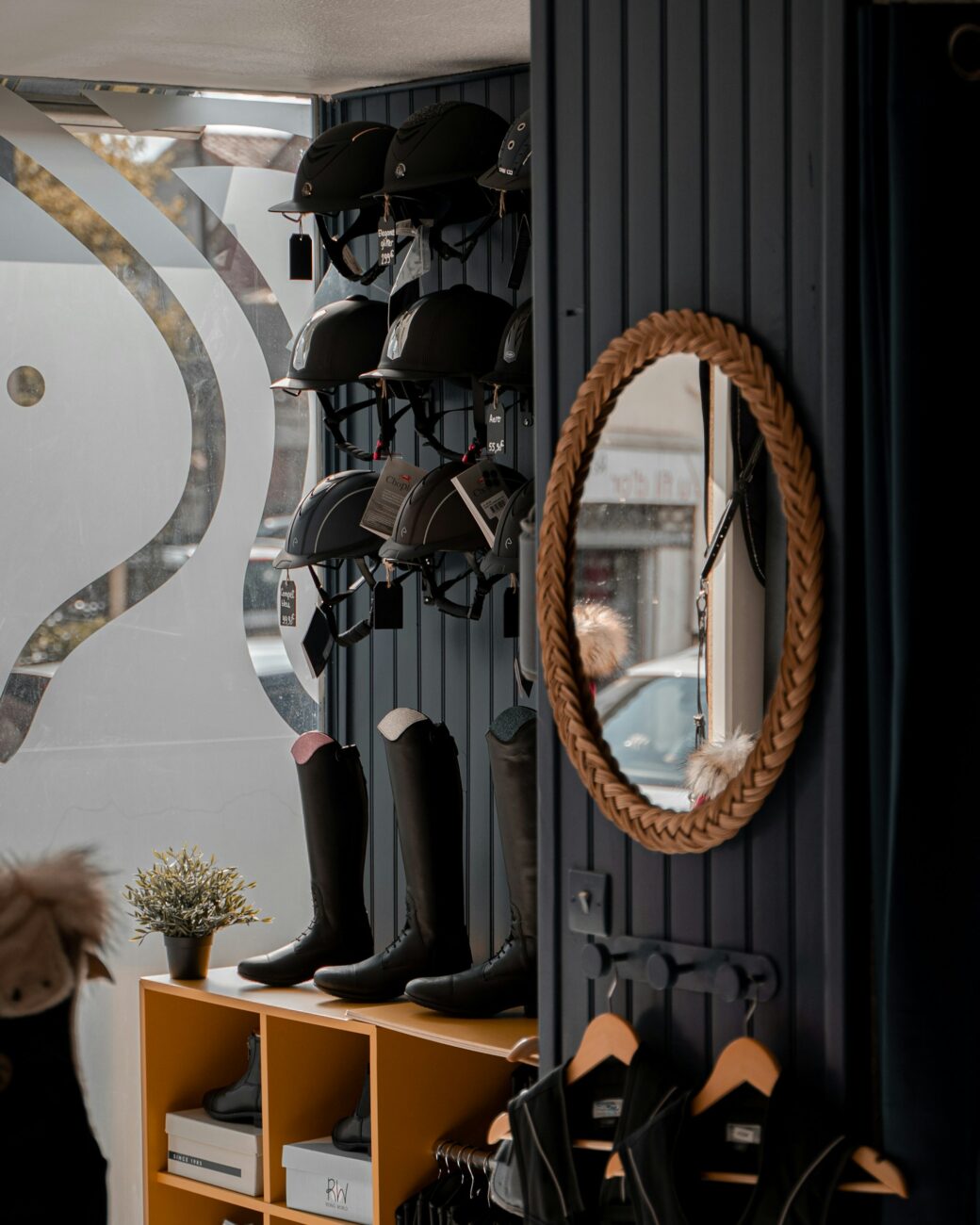
If you ride English, a pair of plain paddock boots that fit well, with a smooth sole and a small heel. Add half chaps later if your calves get rubbed. If you ride Western, a plain cowboy boot with a smooth or low-traction sole. Either way, skip the fancy stuff until you’ve had a few months of lessons.
Then bring them to the barn and ask your instructor to look at your feet in the stirrups before you ride. It takes a minute. Secondhand boots turn up at tack swaps and consignment shops, too, which helps when a kid outgrows a pair every year.
And once your boots are sorted, the next thing you’ll be handed is a brush. Here’s what goes in a horse grooming kit and the order to use it in. Saddle up and enjoy it. Happy trails.
A Must-Read:
Mounting Up: Tips for Short Riders
Riding Heavy: The Best Horse Breeds for Carrying 400 Pounds
Ride 'Em Cowboy: How to Mount a Horse Western Style?
Speed & Style: A Mystery Behind Why Race Horses Wear Red Masks
How to Mount a Horse If You're Overweight?
Going Saddle-Free: How to Mount a Horse Without a Saddle?