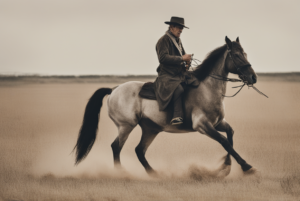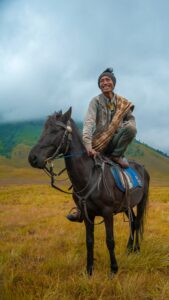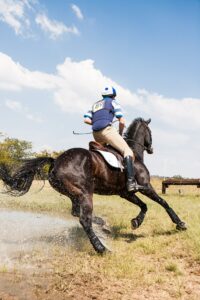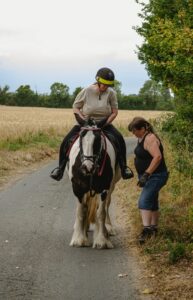

For a week at horse camp, pack a certified riding helmet that fits, boots with a heel, a pair of long pants for each of the 7 days, and rain gear. Add warm layers, a water bottle with sunscreen and bug spray, and bedding plus toiletries for the bunk. Bringing your own horse adds tack, grooming tools and buckets, plus feed. Phones and jewelry usually stay home, and every single thing gets a name on it.
HorseRoots is written by a small team, and we aren’t vets or camp directors. Your camp’s own list beats anything on a website, so read it first and use this one to fill the gaps.
Camp packing is one of those jobs that looks easy until the night before. Then it’s 10 p.m., the duffel won’t zip, and nobody can find the left boot.
Y’all know the feeling.
Start With the Camp’s Own List

Every camp sends one, and they don’t all agree. That’s normal. A 4-H camp where kids bring their own horses packs like a small barn. A summer camp with a riding program packs like summer camp with a helmet on top.
The gap between camps can be huge. Montana State University Extension’s 4-H Horse Camp packing list, from Flathead County, is short and horse-heavy: buckets, a wheelbarrow, a manure fork, feed, tack. YMCA Camp Lakewood’s one-week Equestrian Camp list is the opposite. It counts out socks and T-shirts, marks what’s required, and ends with a long list of things not to bring.
So read yours twice. Circle anything it calls required, because those are the items a counselor will actually look for. Then come back here for the stuff lists tend to skip, like which helmet counts and why the boots matter so much.
If the camp lends gear, it’ll usually say so. Ask anyway. A short email to the barn manager 2 weeks ahead beats guessing.
The Helmet Comes First (and It Has to Fit)

If you only get one thing right, make it this one. Oregon State University’s 4-H horse project guide says 4-H rules require a helmet any time a member is riding or driving a horse, and it recommends one whenever you’re working around horses, too.
Not just any helmet, though. The same guide says it has to meet the ASTM standard and be certified by the Safety Equipment Institute, or SEI. A bike helmet doesn’t count. Neither does a ski helmet, even a nice one.
Here’s how to check. Troxel, a riding helmet maker, says a certified helmet carries the SEI seal and its date of manufacture under the headliner, which is the soft lining inside. Peel it back gently and look.
No seal? Then it’s not the helmet to send.
That date matters for two reasons. Troxel recommends replacing a riding helmet every 5 years, so a hand-me-down from an older cousin may already be past it. It also says riding helmets are made for one impact only, so a helmet that went down in a fall is done, even if it looks fine. The damage can be inside, where you can’t see it.
Fit is the other half. Oregon State’s guide says to be sure it fits properly and is fastened correctly. A helmet that slides back when you nod, or one with the chin strap hanging loose, isn’t doing its job. Try it on at home 1 week before camp, hair done the way it’ll be worn there.
Boots and Long Pants for Every Ride

Feet are where camp lists disagree the most. Oregon State’s 4-H guide wants boots with proper heels, so a foot can’t slip through the stirrup, and it gives a number: about ½ inch (roughly 1.3 cm) of room between the side of the stirrup and the boot. YMCA Camp Lakewood’s list is looser. It says long pants and boots, or sturdy tennis shoes, are required for riding.
So which one wins? Honestly, I’d send the boot. A sneaker has no real heel, and the heel is what stops a foot from sliding all the way through. If a camp allows sneakers, that’s the floor, not the goal. Our riding boots guide for beginners covers the heel, the sole and the fit if you’re buying a first pair.
Whatever you send, wear it before camp. New boots that rub at home rub worse on day 3 of camp. Walk around the house in them, go to the barn in them, and saddle up in them once if you can.
Then the pants. YMCA Camp Lakewood calls long pants required for riding and counts out 7 pairs, one for each of its 7 days. Jeans work fine. I like riding tights or breeches better, since they don’t bunch up at the knee the way jeans can.
Shorts are for the cabin, not the saddle.
Gloves aren’t on either list. A cheap pair still saves your hands when a horse pulls back on the lead rope, so toss them in if you’ve got them.
A Week of Clothes When There’s No Laundry

This part catches parents out. YMCA Camp Lakewood says plainly that it has no laundry service for campers. Whatever goes in the bag is all there is for 7 days.
Its list works out to about a set a day: 7 T-shirts, 7 pairs of shorts, 7 long pants, 7 sets of underclothes and 7 pairs of socks. Add a sweatshirt or light jacket, night clothes, a hat for sun and rain, and a poncho or raincoat, which it marks required. Montana State’s 4-H list says the same thing in fewer words: layered clothing for all weather, extra socks and rain gear.
Extra socks deserve the emphasis. The barn is wet in the morning, the pasture’s dewy, and somebody always steps in the water trough. Dry socks fix a bad mood faster than anything I know.
And send old clothes. The YMCA list asks for exactly that, and it’s right. Barn dirt and horse slobber don’t wash out of a favorite shirt, especially with no washer for a week. Save the nice stuff for the ride home.
A small backpack is on that required list, along with a water bottle. That’s the day bag, the one that goes from the cabin to the barn with sunscreen, bug spray and water in it. The list asks for bug repellent with low DEET, if you’re shopping for one.
The Bunk Bag: Bedding and the Night Things

Sleeping spots run from a cabin bunk to a cot in a show barn. Montana State’s list mentions bedding for campers sleeping in the Expo building, and it recommends a cot or an air mattress there. So check where your camper actually sleeps before you pack sheets for a bunk that isn’t there.
For most camps, the bunk bag looks like this: a sleeping bag or blankets, a pillow, twin sheets if there’s a mattress, a towel and toiletries. The YMCA list adds a flashlight with spare batteries, and I’d put that near the top. A walk to the bathhouse in the dark with no light is how ankles get twisted.
Toiletries can stay simple. Soap, shampoo, a toothbrush and toothpaste, a comb or brush, sunscreen. One small catch: that list says no aerosol cans, so pump bottles are the safe pick for sunscreen and bug spray if your camp has the same rule.
Pack the swimsuit and towel on top if there’s a pool or a pond. YMCA Camp Lakewood runs a swim test shortly after check-in, and nobody wants to dig to the bottom of a duffel at the cabin door.
Bringing Your Own Horse? Pack the Barn Too

This is where a 4-H camp turns into moving day. Montana State’s Flathead County list, for a camper bringing a horse, includes two flat-sided 5-gallon water buckets with the twine and snaps to hang them, a wheelbarrow and a manure fork with your name on both, and feed, plus grain if your horse gets it. Then the tack: saddle, bridle, a saddle pad and a spare, a halter and lead, grooming tools, and leg boots if you use them.
Two of its rules are worth reading slowly. Hay shouldn’t sit outside the stall where other horses can get to it, and grain has to be kept where other horses can’t reach it. A camp barn is full of horses on different feed, so one horse helping himself to another’s grain is a real worry. Any medications your horse takes go along as needed, and anything about his health is a question for your vet before camp, not for a counselor after.
For grooming, bring the everyday kit. Oregon State’s guide goes tool by tool. The hoof pick works from the heel toward the toe and cleans out the cracks around the frog. The mane and tail comb starts at the bottom of the hair, after your fingers have pulled the tangles apart. Our horse grooming kit guide goes brush by brush if you’re building one from scratch.
Hauling in? The trailer’s a whole other list. Our horse show packing checklist covers the trailer, the paperwork folder and hay from home, and most of it carries straight over to a camp week. Ask the camp what papers it wants for your horse, too.
What Stays Home, and How to Label the Rest

YMCA Camp Lakewood’s do-not-bring list is longer than some camps’ whole packing lists. Cell phones and other electronic devices stay home. So does money. So do candy and gum, and so does jewelry. I’d leave the jewelry home at any barn, honestly, since a ring or a dangly earring can catch on a halter or a lead.
Then label everything. The YMCA list says to mark every item with a laundry label or a permanent marker, and Montana’s wants names on the wheelbarrow and the fork. Picture a barn full of black helmets and brown paddock boots at the end of a week. That’s a sorting job nobody wants.
One more trick from the YMCA list, and it’s a good one. Let your camper help pack, so they know what’s in the bag. Then tape the clothing list inside the suitcase lid, and on the last day it’s a checklist for packing up. Keep the luggage compact and easy to carry, too, since your camper’s the one hauling it from the car to the cabin.
Last thing. Medications never go in the luggage. Both lists say they’re handed to the camp nurse, and the YMCA list says that happens on arrival, so give yourself a minute for it at check-in.
That’s the whole bag. Read the camp’s list, check the helmet seal, send boots with a heel, and put a name on everything. Happy trails, y’all.